Carnival Cruises Explained: Value Fares, Early Saver and Who Sails
Carnival is the value-positioned mainstream line: high-energy ships, extensive short-sailing coverage from US homeports, and headline fares that usually lead with the most restricted fare type. Fare types are the product. Carnival cruises compete on headline fare first, so the fare type you pick matters as much as the sailing itself.
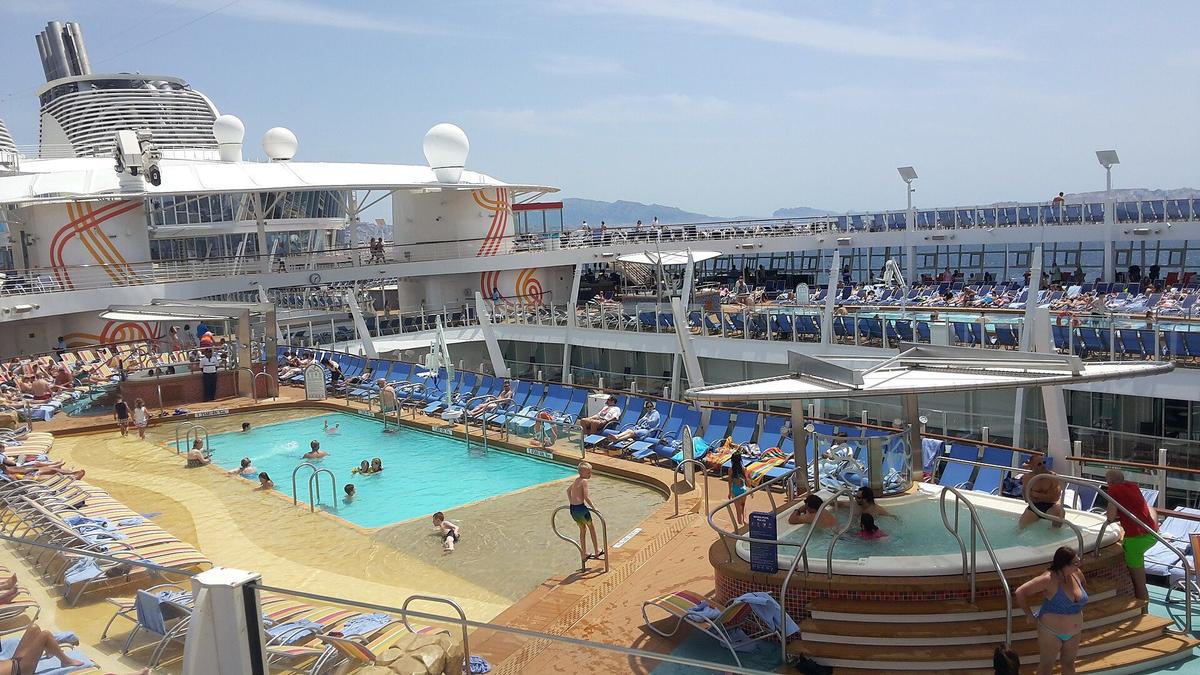
Getting carnival cruises explained honestly means starting with the fare shelf, not the waterslides. Carnival Cruise Line sells itself as the value end of mainstream cruising — the "Fun Ships", in its own branding — and its pricing is built to match: several fare types can be offered on the same cabin on the same sailing, at different prices, with different flexibility attached. Early Saver, Super Saver and the standard fares are not marketing synonyms. They are different contracts, and choosing between them is the single most consequential decision in a Carnival booking. This guide covers the positioning, the fleet, the fare structure and the loyalty basics. The protection rules themselves are deliberately not summarised here — they belong to the Carnival price drop policy post — and the full bill is built in the Carnival cruise cost breakdown.
How carnival cruises explained starts: the value positioning
Carnival's positioning, in its own material, is fun-first and informal: comedy clubs, deck parties, casual dining brands and a deliberately unbuttoned atmosphere, priced to be the accessible first cruise for US travellers. The homeport network is part of that offer. Carnival sails from a long list of US ports — including Galveston, Miami, Port Canaveral, Tampa, Long Beach, New Orleans, Baltimore, Norfolk, Mobile, Jacksonville, Seattle, San Francisco and New York at various seasons — which lets many guests drive to the ship and skip flights entirely. Celebration Key, Carnival's destination on Grand Bahama Island, opened in 2025 and now anchors many Bahamas and Caribbean itineraries.
What value really means
The referee's caution is about what "value" means here. Carnival's lead fares are genuinely structured to be low, but the lowest number on a sailing usually belongs to the fare with the least flexibility and no cabin choice. Value is only real once the fare type, the deposit conditions and the onboard extras are counted together — which is exactly the comparison the Carnival cruise cost breakdown performs. CLIA's general overview of mainstream cruising makes the same structural point: the fare covers the cabin, included dining and entertainment, and the differences live in the conditions and the extras.
The fleet: Excel at the top, short sailings underneath
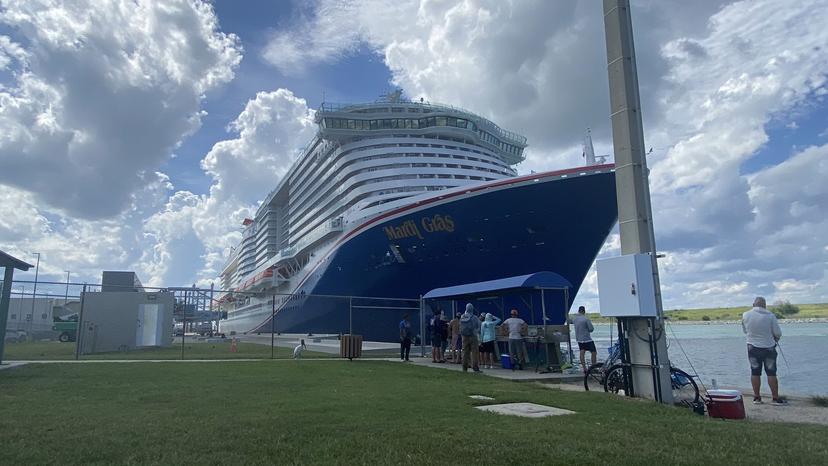
As of October 2026, the fleet's headline is Excel Class: Mardi Gras, Carnival Celebration and Carnival Jubilee. These are Carnival's largest ships, organised into six themed zones and carrying BOLT, the rollercoaster at sea that sits in the Ultimate Playground zone. Each Excel ship themes two of its zones differently — the French Quarter on Mardi Gras, The Gateway on Carnival Celebration, Currents on Carnival Jubilee — so sisters are similar in layout without being identical in feel. Carnival has announced further Excel Class ships, Carnival Festivale and Carnival Tropicale, for later in the decade.
The layered fleet underneath
Underneath the flagships, the fleet is layered by generation. Vista Class (Vista, Horizon, Panorama) and the Italian-styled Venice Class ships (Venezia, Firenze) are the modern mid-generation. Dream Class, Conquest Class, Spirit Class and Sunshine Class ships cover the long middle of the fleet, and the remaining Fantasy Class ships (Paradise and Elation) handle the shortest, most port-intensive runs. That layering is why Carnival can offer so many three-, four- and five-night sailings: the short programme is not an afterthought run on spare ships, it is a core part of the deployment, particularly to the Bahamas and the Mexican Riviera.
| Fleet layer | Example ships, as of October 2026 | What defines it |
|---|---|---|
| Excel Class | Mardi Gras, Carnival Celebration, Carnival Jubilee | Largest ships, six zones, BOLT coaster, LNG-powered |
| Vista and Venice | Vista, Horizon, Panorama; Venezia, Firenze | Modern mid-generation ships, outdoor-deck focus, Italian styling on Venice Class |
| Mid-fleet classes | Dream, Conquest, Spirit and Sunshine Class ships | The workhorse layer covering most homeports and week-long itineraries |
| Fantasy Class | Carnival Paradise, Carnival Elation | Smallest, oldest ships, concentrated on short sailings |
How carnival cruises explained covers the fare structure
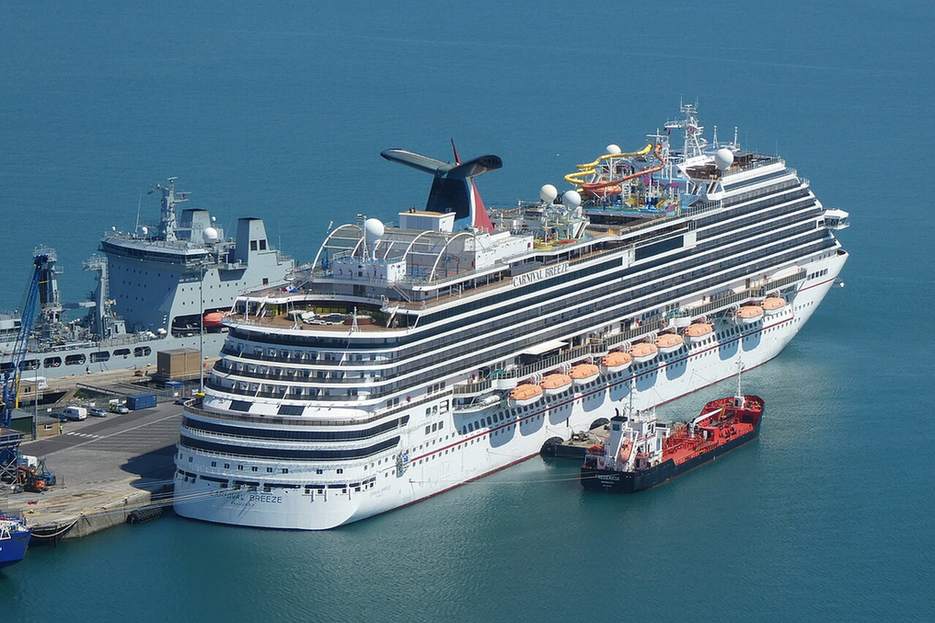
A Carnival sailing is typically sold under several fare types at once, and as Carnival names them in its published terms as of October 2026 they include Early Saver, Super Saver and Pack & Go alongside standard and promotional fares. The structural pattern is consistent even though availability varies by sailing. Early Saver is the early-booking fare: it is capacity controlled, carries a non-refundable deposit, and is the fare built around price protection — what that protection covers, how claims work and where the windows close is the Carnival price drop policy post's territory, and it is not restated here. Super Saver sits at the other end of the shelf: a lower headline in exchange for the line assigning the cabin within the category booked. Pack & Go is the late-availability version of the same trade, appearing on sailings close to departure. Standard fares, and eligibility-based rates Carnival publishes for categories such as past guests, military and residents on selected sailings, complete the shelf.
One sailing, several contracts
The practical consequence is that "the price of this cruise" does not exist. There is a price for each fare type, and the gap between them is payment for flexibility and choice, not for a different holiday. Two guests in adjacent cabins on the same sailing can hold materially different contracts. Reading which fare a quote belongs to — before comparing it with any other quote — is the core Carnival skill.
Loyalty basics: Carnival Rewards, not VIFP
Loyalty is where Carnival changed most recently, and older guides are now wrong. The VIFP Club, the line's long-running programme based on days sailed, was retired on 31 August 2026. As Carnival published at launch, Carnival Rewards replaced it on 1 September 2026 with a spend-based structure: members earn Carnival Rewards Points, which are redeemable toward cruises and eligible onboard experiences, and Status Qualifying Stars, which set status. The tiers, as published at launch, are Red on enrolment, then Gold, Platinum and Diamond. Former VIFP members carried transitional standing into the new programme, with the strongest protection for Diamond members, but the earning engine going forward is spending within a qualifying window rather than a lifetime day count. Carnival's published specials terms and the Carnival Rewards terms are the documents to check for any specific booking, because programme mechanics of this kind are revised in the terms first.
Who the line suits, and who should pause
Carnival suits first-time cruisers testing the water on a short sailing, groups and multigenerational families who want an informal, activity-heavy ship, and travellers who can drive to a homeport and want the fare to do the heavy lifting. It is also the natural starting point for anyone whose priority is a three- to five-night Bahamas or Mexico run, where its schedule depth is hard to match.
The honest trade-off
The trade-off is homework and atmosphere. The atmosphere is deliberately loud and social, which is the appeal for its audience and a genuine mismatch for travellers seeking quiet formality. The homework is the fare shelf: the cheapest headline is the most restricted contract, deposits on the restricted fares are not refundable, and the value case only holds once the total — not the lead fare — is compared. Travellers who dislike that trade should weigh the other mainstream lines side by side in the line guide before booking.
Frequently asked questions
What is the difference between Early Saver and Super Saver?
Structurally, they sit at opposite ends of Carnival's fare shelf, as the line publishes them as of October 2026. Early Saver is the early-booking fare built around price protection, with a non-refundable deposit. Super Saver offers a lower headline on the basis that the line assigns the cabin within the category booked. The protection rules themselves are covered in the price-drop policy post linked above.
Is the VIFP Club still Carnival's loyalty programme?
No. Carnival retired the VIFP Club on 31 August 2026 and launched Carnival Rewards on 1 September 2026, moving from days-sailed status to redeemable Points plus Status Qualifying Stars, with Red, Gold, Platinum and Diamond tiers.
Does Carnival only sail short cruises?
No. Short Bahamas and Mexican Riviera sailings are a signature part of the programme, but the fleet also runs week-long and longer Caribbean, Alaska, Europe and Panama Canal itineraries, particularly on the Excel, Vista and Venice Class ships.
Where can the full cost of a Carnival cruise be checked?
In the Carnival cruise cost breakdown, which adds taxes and port fees, gratuities and common onboard extras to the fare, and in the Carnival price drop policy for what happens if the fare falls after booking.
Conclusion
With carnival cruises explained properly, the booking decision narrows to three questions: which ship layer, which fare type, and what the total comes to once the extras are counted. Carnival rewards travellers who answer all three and punishes, gently but reliably, those who book the lowest headline on the page. Start in the cruise line guide to set Carnival against the other major lines, then let the cost breakdown and price-drop policy posts do the detailed arithmetic. Once the three questions are answered, the carnival cruises page is the place to see the line as a whole — the explainer, the fare maths and the repricing rules side by side.
See the deals, total price first
Every deal we list will show the total — fare, taxes and port fees included — before you pay. That is the rule the deals page is being built to.
Browse cruise dealsNever overpay after you book
Once sign-ups open at launch, our price-drop alerts will watch the sailing you care about and flag it when the fare moves.
About price-drop alerts



Search cruises
Every result shows the total for your cabin — taxes and port fees included.