Cruise Private Island Extras: What the Beach Day Adds to Your Bill
The private island is included in your fare and engineered to bill you anyway. This post maps the chargeable layer - shade, slides, thrills - so the beach day budget is set on land, not on sand. Private island extras are priced to feel small at the till and large in aggregate, and the tally below adds up a realistic family day before you swipe.
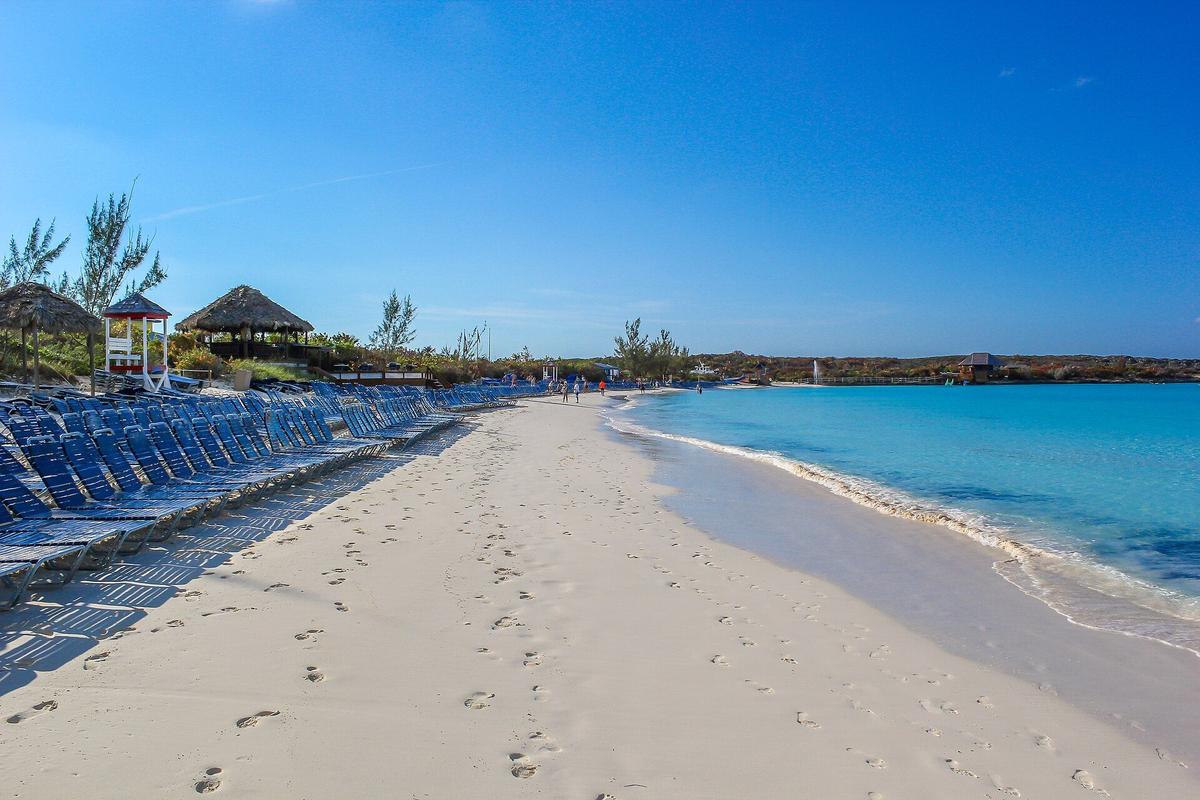
The private island stop is sold as the free day: the ship docks, the beach is steps away, and lunch is part of the fare. All of that is true — and incomplete. Cruise private island extras form a second, chargeable layer wrapped around the included day: cabanas, waterpark admission, premium beach clubs, zip lines, daybeds and gear rentals, each priced per person or per group and sold mostly before you sail. The destinations themselves are compared in cruise private islands compared; this guide stays on the money layer — what is genuinely included, what is an upsell, and how to decide your number before the gangway drops.
Cruise private island extras, layer one: what your fare already covers
The included core, in the lines' own tables
Royal Caribbean publishes the split for Perfect Day at CocoCay as two tables — complimentary experiences and experiences for a charge — and the complimentary side is generous: no admission fee for the island, the Oasis Lagoon pool, the Splashaway Bay aqua park, beaches with chairs and umbrellas, a tram, and five complimentary dining venues (per Royal Caribbean's CocoCay cost FAQ, checked October 2026). Carnival's RelaxAway, Half Moon Cay page describes the same shape: the beach, nature paths and complimentary lunch spots included, with rental cabanas and villas as the paid layer on top. Read your own line's version of that table before you shop the extras — it is the baseline every upsell is measured against.
Why the free core matters to the maths
An extra is only worth buying if it adds something the included day lacks: shade you control, a thrill your kids will actually use, a quieter beach. If the included core already covers your group's real wants — sand, water, lunch, a lounger — the extras are decoration, and decoration can be priced with a clear head. Most disappointment at private islands is not about the extras' quality; it is about buying them before knowing the free day was enough.
Cruise private island extras, layer two: the chargeable menu
The big three: waterparks, clubs and cabanas
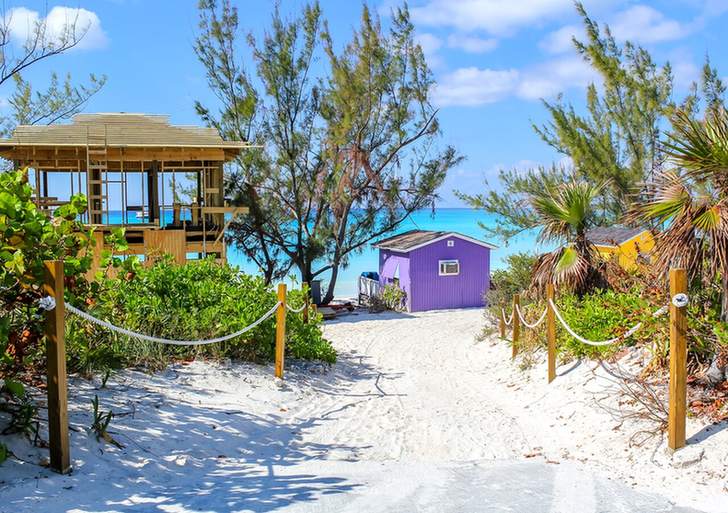
The chargeable layer has a consistent anatomy across lines. First, the headline thrill: at CocoCay, the Thrill Waterpark and the zip line are charged per person, as is the Coco Beach Club, the premium beach enclave with its own restaurant and infinity pool. Second, the cabana: rented per group rather than per person, and — the detail that changes the maths — some cabanas bundle admission for a set number of guests, with Royal Caribbean's cabana FAQ noting waterpark or beach-club entry folded into certain cabana rentals for up to six or eight guests. A cabana priced for eight can be the cheapest way to buy a club day for eight, or an expensive tent for two. Third, the small rentals: daybeds, kayaks, snorkel gear and floating mats, each modest alone and cumulative together.
How the selling is timed
Extras are sold through the pre-cruise planner at prices that, in Royal Caribbean's own words, vary by season, with exact pricing shown only to booked guests for their specific sailing. That structure does two things. It makes the price invisible until you are committed to the trip, when resistance is lowest; and it makes the planner's price the only honest reference — there is no published rack rate to compare against, which is why this guide quotes no extra prices at all. They change by sailing, and a number printed here would be wrong for yours. The framework in the Bahamas cruise guide applies: most Bahamas itineraries include one of these island days, so the extras decision is part of the sailing's real total, not an afterthought.
| Extra | How it is charged | What it actually buys | The included alternative |
|---|---|---|---|
| Waterpark admission | Per person, via the planner | Slides and pools beyond the included aqua park | The island's complimentary aqua park and beaches |
| Premium beach club | Per person, via the planner | A quieter enclave, upgraded dining, an infinity pool | The main beaches and included dining venues |
| Cabana | Per group, bundles entry for a set guest count on some rentals | Shade, seating, a base camp; sometimes club or waterpark admission | Free beach chairs and umbrellas |
| Zip line and thrill rides | Per person | A single headline experience | Included slides and pools |
| Daybeds and gear rentals | Per item, per day | Comfort and kit: daybeds, kayaks, snorkels, mats | Bring nothing; swim and walk |
A budget rule for private-island extras
Set the number before the planner opens
Decide the island-day budget as part of the trip total, the way our destinations hub frames every port decision: a per-person ceiling for the day, agreed while you are still comparing sailings, not while a countdown timer runs in the planner. Then rank the extras by your group's actual behaviour. A group that will spend six hours in the water gets value from a waterpark pass; a group that reads gets value from shade; a group that does both splits the budget rather than doubling it. Finally, check what bundles: if a cabana folds in the club or waterpark admission your group wanted anyway, price the bundle against the separate passes for your real headcount — and against zero, which remains a legitimate answer, because the included day is a full day.
Frequently asked questions
Is anything on a private island actually free?
Yes — the island itself. On the lines' published tables, beaches, loungers, umbrellas, main pools, the included aqua park and several dining venues carry no charge. "Free" here means included in the fare you already paid, which is exactly why the extras deserve scrutiny: they sell improvements to a day you already own.
Why are the extras' prices not published anywhere?
Because they are priced per sailing through the pre-cruise planner and vary by season and demand, as Royal Caribbean's own FAQ states. Any fixed price list outside your booking would be stale. Judge the price you are actually shown, in the planner, against the framework above.
Is a cabana ever the smart buy?
When its bundled admissions match your group's plan. A cabana that includes waterpark or club entry for six or eight guests can cost less per head than separate passes — or far more than the free chairs if only two people use it. The arithmetic is per group, never per headline.
Can I decide on the day instead?
Some extras can be bought on the island, but headline items sell out and planner pricing is the reference the lines steer you to. Deciding on land, with the included-vs-paid table open, beats deciding on sand with a queue behind you.
The bottom line: cruise private island extras are a priced layer wrapped around an included day — cabanas, slides and clubs sold by the planner at per-sailing prices. Read your line's included table first, set the day budget before you sail, and let the free beach be the default that every upsell has to beat.
See the deals, total price first
Every deal we list will show the total — fare, taxes and port fees included — before you pay. That is the rule the deals page is being built to.
Browse cruise dealsNever overpay after you book
Once sign-ups open at launch, our price-drop alerts will watch the sailing you care about and flag it when the fare moves.
About price-drop alerts

Search cruises
Every result shows the total for your cabin — taxes and port fees included.