Themed Cruises: When a Sailing Sells a Passion, Not a Place
A themed cruise sells belonging first and itinerary second - and prices accordingly. This explainer separates line-run theme sailings from full charters, and shows where the premium hides.
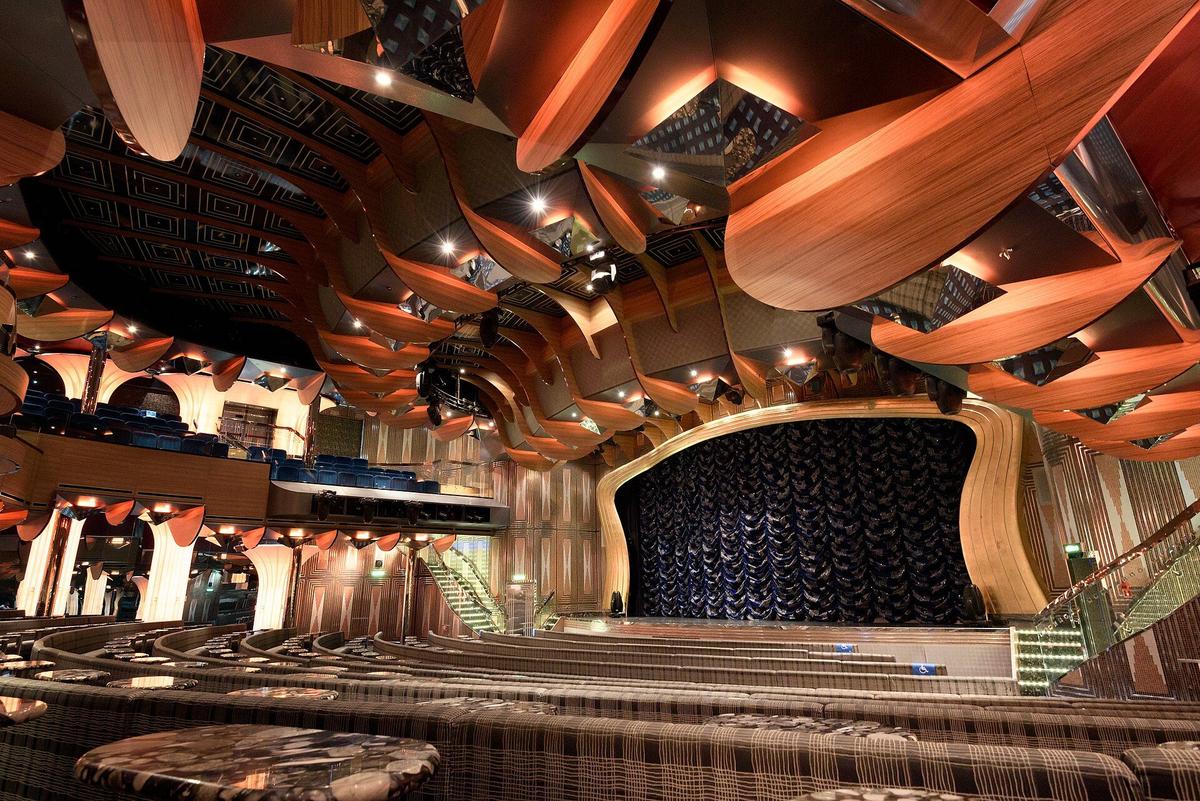
Most cruises sell a destination. Themed cruises sell a room full of people who love the same thing you do — a band, a cuisine, a fandom, a craft — and the destination becomes the backdrop. That sounds like a small difference, and commercially it is not. Themed cruises come in three distinct formats, sold by different parties, under different contract terms, with different answers to the only question that matters when something goes wrong: whose rules govern your booking? This guide separates the three formats, explains where the charter premium hides in the price, and sets out the fine print to read before you pay for a sailing whose headline act can change after you book.
Themed cruises, format one: the line runs the theme itself
Seasonal themes woven into ordinary sailings
The mildest format is the theme the cruise line builds into its own regular sailing. Royal Caribbean's holiday sailings are the clearest example: its published holiday cruise programme layers Halloween events, Christmas programming and New Year celebrations onto standard Caribbean itineraries, sold through the line's normal channels on the line's normal terms. Nothing about the booking changes — same fare rules, same cancellation schedule, same seller. The theme is seasoning, not the meal.
Line-hosted theme pages are a signpost, not a seller. Note a subtlety on that same line's site: Royal Caribbean's themed cruises page states that the themed cruises listed there are hosted and operated by third-party organisations aboard its ships, and are not affiliated with Royal Caribbean Group. In other words, even on the line's own website, a "themed cruise" may be somebody else's product using the line's ship. That single disclosure is the whole guide in miniature: the ship's brand tells you nothing about who sold the sailing, who holds your deposit, or whose cancellation terms apply. You find that out by asking who the seller of record is — the same question that decides so much else on our deals page.
Themed cruises, format two and three: group blocks and full charters
The affinity block: a theme inside somebody else's cruise
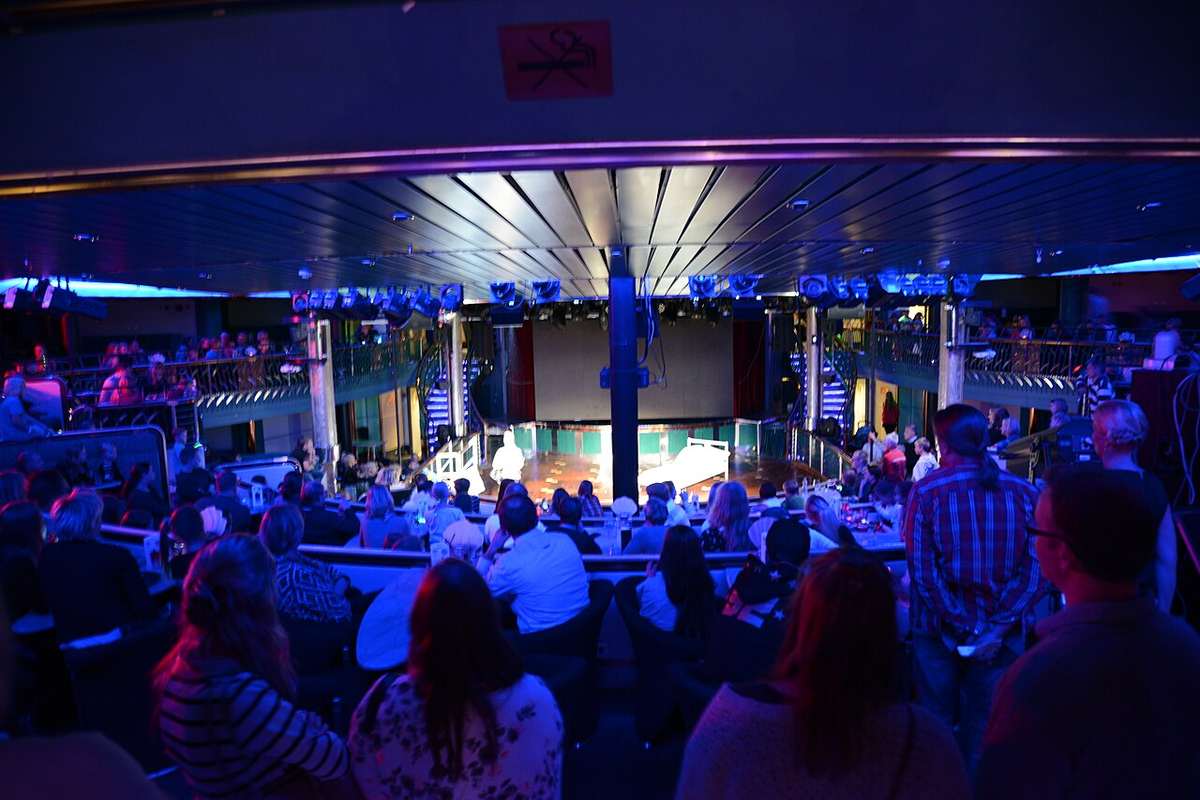
In the middle format, an organiser — a fan club, a music promoter, a professional association, a food-and-wine brand — reserves a block of cabins on an ordinary sailing and sells them to its audience with private events layered on top: a reserved lounge session, a hosted dinner, a meet-and-greet. The rest of the ship sails unaware. Your fare usually tracks the line's public fare for the same cabin, plus whatever the organiser adds for its programming and its margin; the line's cancellation schedule may sit underneath the organiser's own terms, which means two documents govern one booking. Read both.
The full-ship charter: the operator is the cruise line, commercially
A full charter is a different animal. The charter operator hires the entire ship, sets its own fares, writes its own booking terms, and fills the vessel with a single themed programme — every venue, every night, given over to the theme. This is where the charter premium lives: the operator must recover the cost of hiring the ship and staging the programming from one sailing's passengers, so fares sit above what the same ship charges for a comparable regular itinerary. The premium is a mechanism, not a percentage — it varies by operator, ship and how completely the programme takes over the vessel — and it buys exclusivity and community, not a superior cabin. It also means the line's published price-drop policies, past-guest rates and guarantee windows generally do not reach your booking: the operator's terms are the whole law of the contract. Group travel of every kind works better with one coordinator and written money rules, the same discipline our guide to celebration cruise ideas applies to birthdays and reunions.
| Format | Who sells it | Whose cancellation terms | What the theme adds |
|---|---|---|---|
| Line-run theme sailing | The cruise line | The line's standard schedule | Programming on a normal sailing |
| Affinity group block | An organiser, on a regular sailing | The organiser's terms over the line's | Private events for block guests only |
| Full-ship charter | The charter operator | The operator's own terms, end to end | The whole ship, every venue, one theme |
| Ordinary sailing | The line or any seller | The line's standard schedule | Nothing — the comparison baseline |
The fine print that decides what a themed sailing actually bought
Line-ups change; contracts rarely care
Performer line-ups, celebrity hosts and headline acts are the marketing face of themed cruises and the least guaranteed element of the product. Artists withdraw, schedules shift, and charter terms are typically written so that a changed line-up is not grounds for a refund. Treat every named act as an intention, never as a promise, and weigh the sailing on the community and the format — the things that survive a substitution — rather than on one name on a poster.
Deposits, transfers and the maiden-voyage parallel
Charter deposits are frequently larger and firmer than line deposits, and name changes or transfers may be restricted or fee-bearing under the operator's rules. The same caution applies to another much-marketed special sailing, the inaugural: our inaugural cruise sailing explainer shows how first sailings carry their own fine print. For any themed product, get four answers in writing before you pay: who is the seller of record, what is the cancellation schedule in full, what happens to your money if the charter itself is cancelled, and which elements of the programme are contractual and which are decorative.
Frequently asked questions
Are themed cruises more expensive than regular sailings?
Full charters generally price above a comparable regular sailing on the same ship, because the operator must recover the ship hire and programming from one audience. Line-run theme sailings usually sell on the line's normal fares. The block format sits in between, priced by its organiser.
If the headline act cancels, can I get a refund?
Usually not on that ground alone. Charter and group terms typically treat programming as changeable. If one performer is the entire reason for your trip, that risk is yours unless the contract says otherwise — which is why the terms, not the poster, are the document to read.
Do loyalty programmes and price-drop guarantees apply to charters?
Generally no. A charter booking is a contract with the operator, outside the line's retail fare system, so line price-drop policies and past-guest fares do not normally reach it. Line-run theme sailings, sold as ordinary inventory, are the exception.
Where do I find themed cruises on sale?
Lines publish their own theme sailings on their own sites; charters are sold by their operators. A line's theme page may simply signpost third-party product, as Royal Caribbean's does — always identify the actual seller before comparing prices on our deals page.
The bottom line: themed cruises are worth their premium when the community is the holiday — a ship full of people who share the obsession is a genuinely different product. They disappoint when bought as a regular cruise with a famous name attached, under terms nobody read. Identify the format, name the seller of record, read the cancellation schedule, and price the theme as programming rather than as a promise. Start the comparison the way we run our deals page: every charge and every condition named, in the open, before you pay.
See the deals, total price first
Every deal we list will show the total — fare, taxes and port fees included — before you pay. That is the rule the deals page is being built to.
Browse cruise dealsNever overpay after you book
Once sign-ups open at launch, our price-drop alerts will watch the sailing you care about and flag it when the fare moves.
About price-drop alerts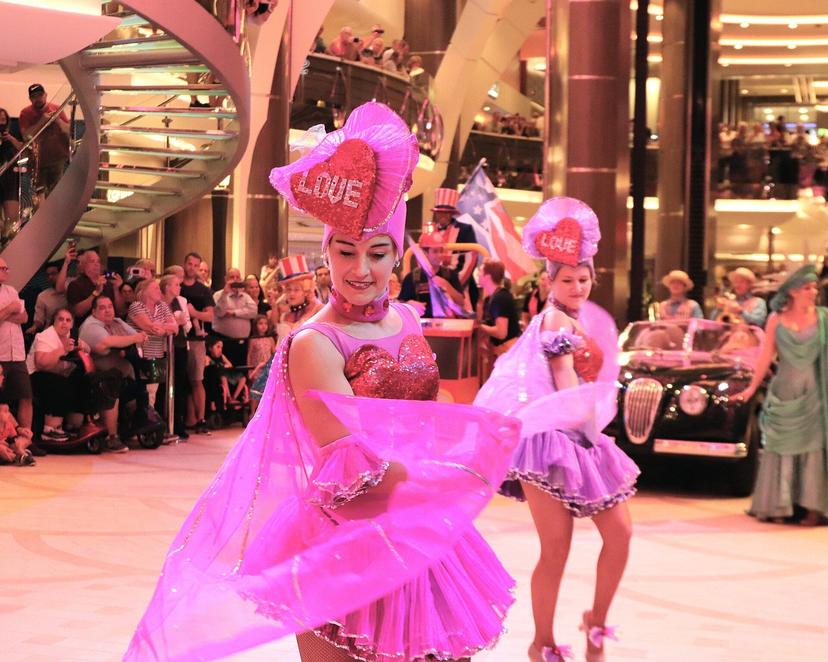

Search cruises
Every result shows the total for your cabin — taxes and port fees included.