Royal Caribbean Cruises Explained: Who the Megaship Line Suits
Royal Caribbean is the megaship line: its newest Icon Class ships are organised into eight neighbourhoods, but the fleet also includes far smaller classes built for Alaska, Europe and longer itineraries. Pricing is dynamic and fare-type based. Comparing royal caribbean cruises by class rather than by headline ship is the fastest way to price honestly, and the class-by-class breakdown below does exactly that.
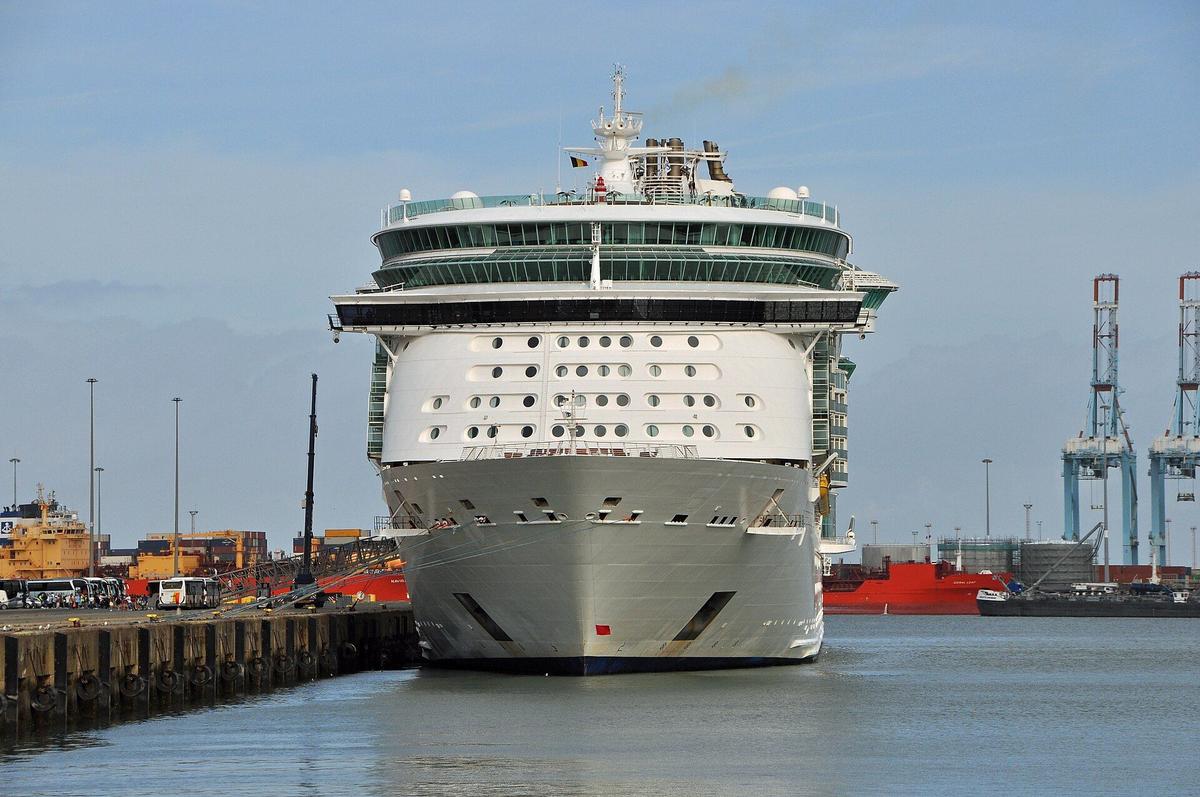
Getting royal caribbean cruises explained in plain terms starts with scale. This is the line that built its identity around the biggest ships at sea: floating resorts divided into neighbourhoods, with waterparks, surf simulators, ice rinks and whole entertainment districts on board. That identity is real, but it is not the whole fleet, and it is not the whole pricing story. Royal Caribbean also sails much smaller, older ships on very different itineraries, and it prices dynamically, which means the same cabin on the same sailing can be sold at very different fares depending on when and how it was booked. This guide covers the positioning, the ships, the pricing structure and the loyalty basics. The repricing rules live in the Royal Caribbean price drop policy post, and the full bill is built in the Royal Caribbean cruise cost breakdown.
How royal caribbean cruises explained starts: the positioning
Royal Caribbean sits at the large-ship end of the mainstream market. The product promise, as the line publishes it, is activity density: more venues, more headline attractions and more happening at any hour than a conventional cruise ship carries. Perfect Day at CocoCay, the line's private island in the Bahamas, is built to the same logic ashore, and most Caribbean and Bahamas itineraries from Florida call there.
The brand is not the ship
The referee's caution is that "Royal Caribbean" is not one product. A week on an Icon Class ship and a week on a Radiance Class ship to Alaska share a brand, a loyalty programme and little else. The first is a resort that happens to move; the second is a smaller, glass-heavy ship built around scenery. Travellers who book the brand rather than the ship class are the ones who end up surprised — either by crowds they did not expect or by a quiet ship when they wanted the waterpark. CLIA's industry overview makes the same general point about mainstream cruising: the fare buys the cabin, included dining and entertainment, while the character of the experience is set ship by ship.
The fleet: neighbourhoods at the top, choice underneath
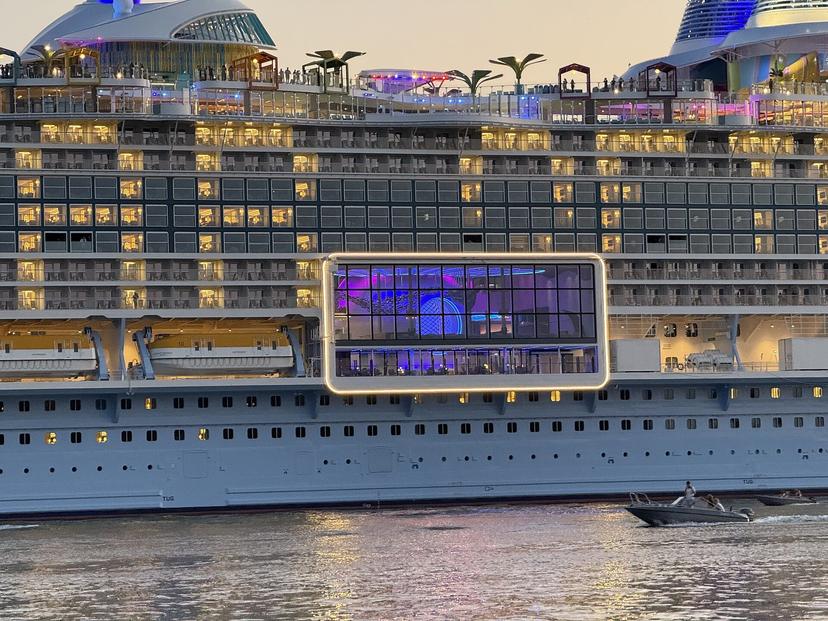
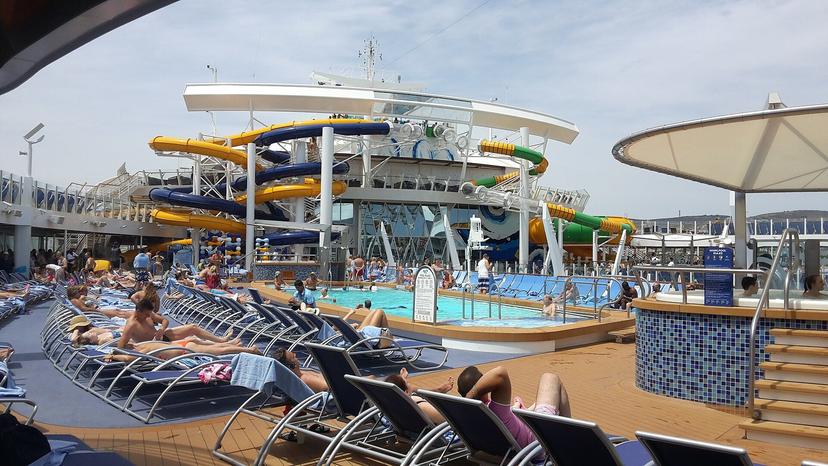
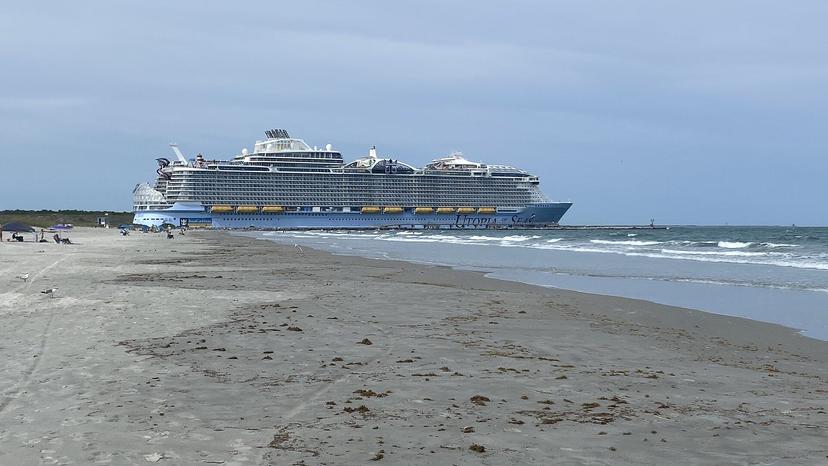
As of October 2026, the fleet's headline is Icon Class: Icon of the Seas, Star of the Seas and Legend of the Seas, the third ship entering service in summer 2026. Icon Class ships are arranged into eight neighbourhoods, including Surfside for young families, Thrill Island for the waterpark, Chill Island for pools, the AquaDome and the Suite Neighbourhood. Below them sits Oasis Class — Oasis, Allure, Harmony, Symphony, Wonder and Utopia of the Seas — the ships that introduced the neighbourhood idea, with seven neighbourhoods including Central Park and the Boardwalk, and which still cover a large share of Caribbean capacity. Utopia of the Seas is the class's short-sailing specialist, running brief Bahamas itineraries rather than week-long ones.
Beyond the megaships
The rest of the fleet explains the line's range. Quantum Class and Quantum Ultra Class ships (including Spectrum of the Seas and Odyssey of the Seas) trade some outdoor scale for indoor technology — the North Star observation capsule, bumper cars and large indoor venues — which suits Alaska and cooler-weather deployment. Freedom Class and Voyager Class are the mid-generation large ships: still big, still activity-led, usually without the newest-ship premium attached to their sailings. Radiance Class and Vision Class are the small end, used where ports, scenery or longer itineraries matter more than attractions.
| Class group | Example ships, as of October 2026 | What defines it |
|---|---|---|
| Icon Class | Icon, Star and Legend of the Seas | Eight neighbourhoods, the fleet's largest ships, family-led resort product |
| Oasis Class | Oasis, Allure, Harmony, Symphony, Wonder, Utopia of the Seas | Seven neighbourhoods, Central Park and Boardwalk, the original megaships |
| Quantum and Quantum Ultra | Quantum, Anthem, Ovation, Spectrum, Odyssey of the Seas | Indoor technology, North Star capsule, cooler-climate flexibility |
| Freedom and Voyager | Freedom, Liberty, Independence; Voyager, Explorer, Adventure, Navigator, Mariner of the Seas | Large, activity-led ships from the previous generations |
| Radiance and Vision | Radiance, Brilliance, Serenade, Jewel; Grandeur, Rhapsody, Enchantment, Vision of the Seas | Smallest ships, scenery and itinerary-led deployment |
How royal caribbean cruises explained covers pricing structure
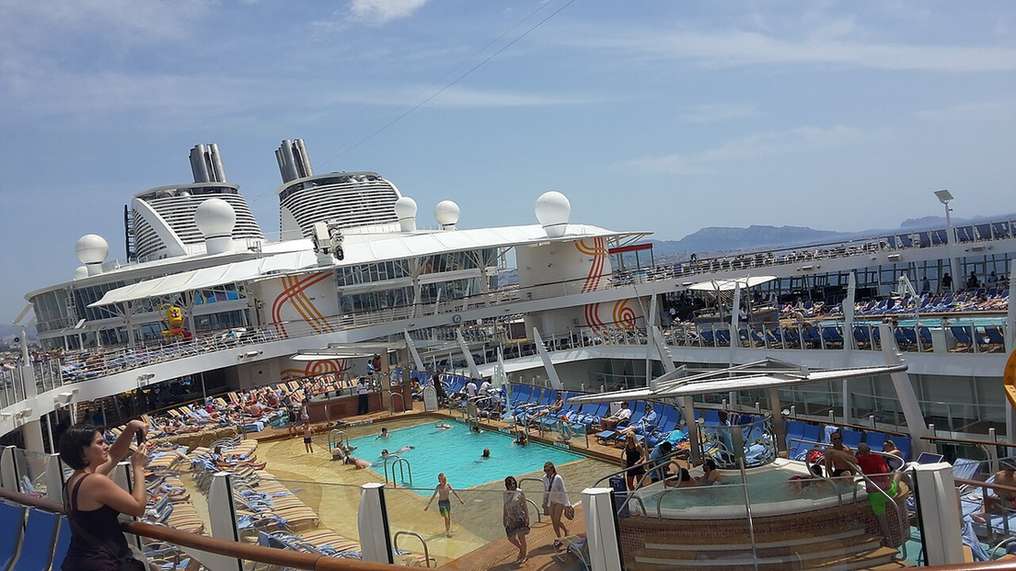
Royal Caribbean prices dynamically. Fares respond to demand, remaining inventory and sailing date, so a price is a snapshot of a moment, not a property of the cabin. Two structural choices matter more than any single snapshot. The first is the deposit fare type: sailings are commonly sold with a choice between a refundable deposit fare and a non-refundable deposit fare, where the lower headline normally belongs to the fare with the stricter change and cancellation conditions. The second is the promotion layered on top — the line's sales typically work through combinations of fare reductions, onboard credit and cabin-category offers rather than through a single simple discount, and the terms of each promotion decide what a booking actually contains.
Structure before snapshots
What this explainer will not do is restate the numbers or the repricing rules. Gratuities, taxes, port fees and onboard extras are itemised in the Royal Caribbean cruise cost breakdown, and what happens when a fare falls after booking — including the line's Best Price Guarantee mechanics — is covered in the Royal Caribbean price drop policy. Read those two before treating any headline fare as a total.
Loyalty basics: Crown & Anchor Society
The Crown & Anchor Society is free to join and, as the line publishes it as of October 2026, works on nights rather than spend. Members earn 1 cruise point for each night sailed, and 2 cruise points per night for suite bookings or for a solo guest in a double-occupancy stateroom, with points credited after the cruise and no expiry. The tier ladder runs Gold, Platinum, Emerald, Diamond, Diamond Plus and Pinnacle Club, with benefits weighted toward the upper tiers — the structure rewards frequency over many years rather than a single expensive booking.
Two newer features are worth knowing at the basic level. Royal Caribbean Group operates a one-for-one status match across its brands, so Crown & Anchor status has a corresponding standing in Celebrity's Captain's Club and Silversea's Venetian Society. The line's Crown & Anchor Society page also publishes Points Choice, which lets members on sailings departing on or after 30 January 2026 direct the points from a sailing toward one of the group's three programmes instead of the brand sailed. The mechanics matter only to repeat guests, but they change how loyalty across the group accumulates.
Who the line suits, and who should pause
Royal Caribbean suits families and groups who want the ship itself to be a main part of the holiday, first-timers who want the widest choice of dining and entertainment in one place, and travellers sailing the Caribbean who value the private-island day. It also suits itinerary collectors more than its image suggests, because the smaller classes reach Alaska, Europe and longer routes the megaships cannot work.
The honest trade-off
The trade-off is atmosphere and homework. The largest ships are busy by design, headline venues need planning on popular sailings, and dynamic pricing means the fare rewards travellers who compare fare types carefully and keep watching after booking. Travellers whose priority is a quiet, small-ship or port-intensive trip should compare the line's own smaller classes first — and should weigh premium and traditional lines in the line guide before assuming the megaship brand is the default answer.
Frequently asked questions
Is Royal Caribbean only megaships?
No. Icon and Oasis Class ships dominate the marketing, but as of October 2026 the fleet also includes Quantum, Freedom, Voyager, Radiance and Vision Class ships. The Radiance and Vision ships are a fraction of an Icon Class ship's size and sail very different itineraries.
What is a neighbourhood on a Royal Caribbean ship?
It is the line's way of organising its largest ships into themed districts — areas such as Central Park, the Boardwalk and Surfside on the relevant classes — each grouping its own dining, entertainment and cabins. Oasis Class ships have seven neighbourhoods; Icon Class ships have eight.
How does Crown & Anchor Society status transfer to Celebrity?
Through Royal Caribbean Group's status match, published on the line's loyalty pages as of October 2026: Crown & Anchor tiers correspond to set Captain's Club tiers at Celebrity, and Points Choice can direct newly earned points between the group programmes on qualifying sailings.
Where can the full cost and the price-drop rules be checked?
In the two sibling guides: the Royal Caribbean cruise cost breakdown itemises what is added to the fare, and the Royal Caribbean price drop policy covers repricing and the Best Price Guarantee as the line currently publishes them.
Conclusion
With royal caribbean cruises explained properly, the decision becomes manageable: pick the ship class before the brand, read the fare type before the fare, and treat loyalty as a long game that now reaches across the Royal Caribbean Group. Start with the cruise line guide to place Royal Caribbean against the other major lines, then use the cost breakdown and price-drop policy posts to turn a headline fare into a number that can actually be compared. For the region behind the name, the royal caribbean cruises in this guide pair naturally with our Caribbean page, where the ports and seasons are set out.
See the deals, total price first
Every deal we list will show the total — fare, taxes and port fees included — before you pay. That is the rule the deals page is being built to.
Browse cruise dealsNever overpay after you book
Once sign-ups open at launch, our price-drop alerts will watch the sailing you care about and flag it when the fare moves.
About price-drop alerts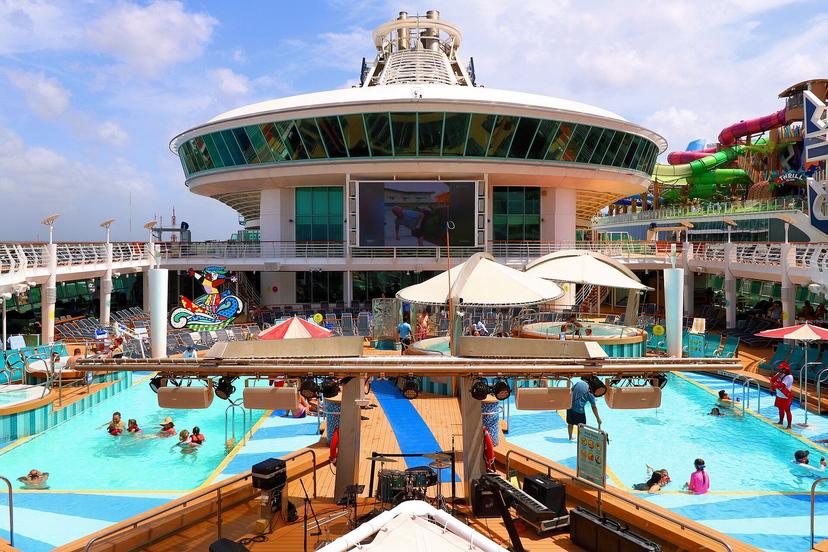
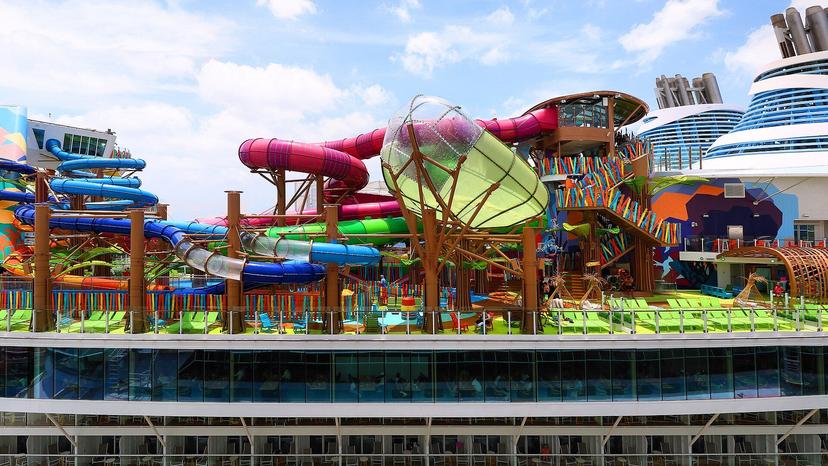

Search cruises
Every result shows the total for your cabin — taxes and port fees included.